Process study / 03 · Shape, support, movement
Construct Fantasy Details
An invented feature becomes credible when its shape, weight and surface appear to belong together. Start with a small design system rather than a collection of unrelated decorations.
Write a rule for the form
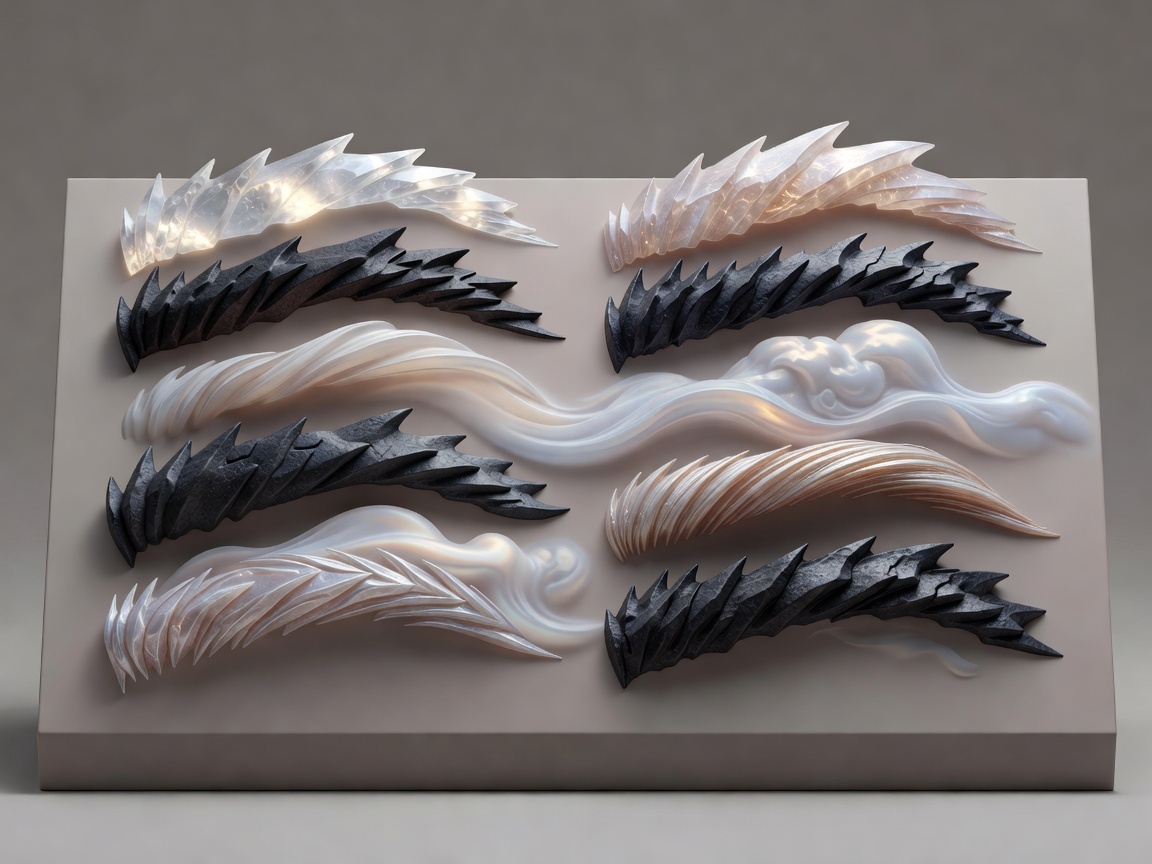
Choose a short visual statement before sculpting: perhaps a brow with layered ridges, a rounded ear with soft cartilage-like transitions, or a skin surface with widely spaced mineral-like plates. Then repeat that logic across the design. Repetition with variation suggests a coherent creature rather than a costume assembled from separate ideas.
Use natural forms as structural references without pretending that fantasy anatomy must follow one real species. Study how a shell changes thickness, how bark overlaps or how a leaf joins its stem. These observations can guide transitions and surface rhythm, even when the final character is entirely invented.
Begin with one modest feature on a practice form. A single well-integrated brow can teach more than a full face of competing details. Establish silhouette first, then secondary shapes, and leave fine texture until the larger relationships are working.
Design the attachment before the ornament
The visible tip of an embellishment is only part of its construction. Ask where the load is supported, how the base blends and what happens when the performer turns quickly. A long projection can exert leverage even when the material itself seems light. Skin adhesive should not be expected to support an unsuitable prop.
For beginner work, select small, soft, purpose-made appliances and avoid rigid or pointed projections. Larger details may need an independently supported costume or headpiece designed by an experienced maker. Attachment planning should include removal, emergency access and the risk of catching on clothing or nearby objects.
Do not obstruct breathing, hearing or vision. Keep work clear of eyes and mucous membranes unless you have appropriate specialist training. Cosmetic contact lenses, dental appliances and lifecasting are outside these introductory guides. They introduce separate professional and safety requirements and should not be improvised from general craft materials.
Use mock-ups to expose weak ideas
Make a scale drawing and a lightweight mock-up before committing to the final material. Test the silhouette from the front, side and three-quarter views. A feature that looks elegant in profile may disappear head-on, while a symmetrical pair can interfere with hair or a costume collar.
Move the mock-up through the intended performance range without attaching an unapproved material to skin. Use a practice head or another suitable support. Identify collision points and redesign early. It is easier to shorten a paper silhouette than to repair a finished painted appliance after the first fitting.
Keep a simple construction record: approximate dimensions, orientation, proposed attachment and likely movement limits. If another department is involved, share those limits before the shoot. Hair, costume, sound and camera choices can all affect how a fantasy detail behaves.
Give the surface a material logic
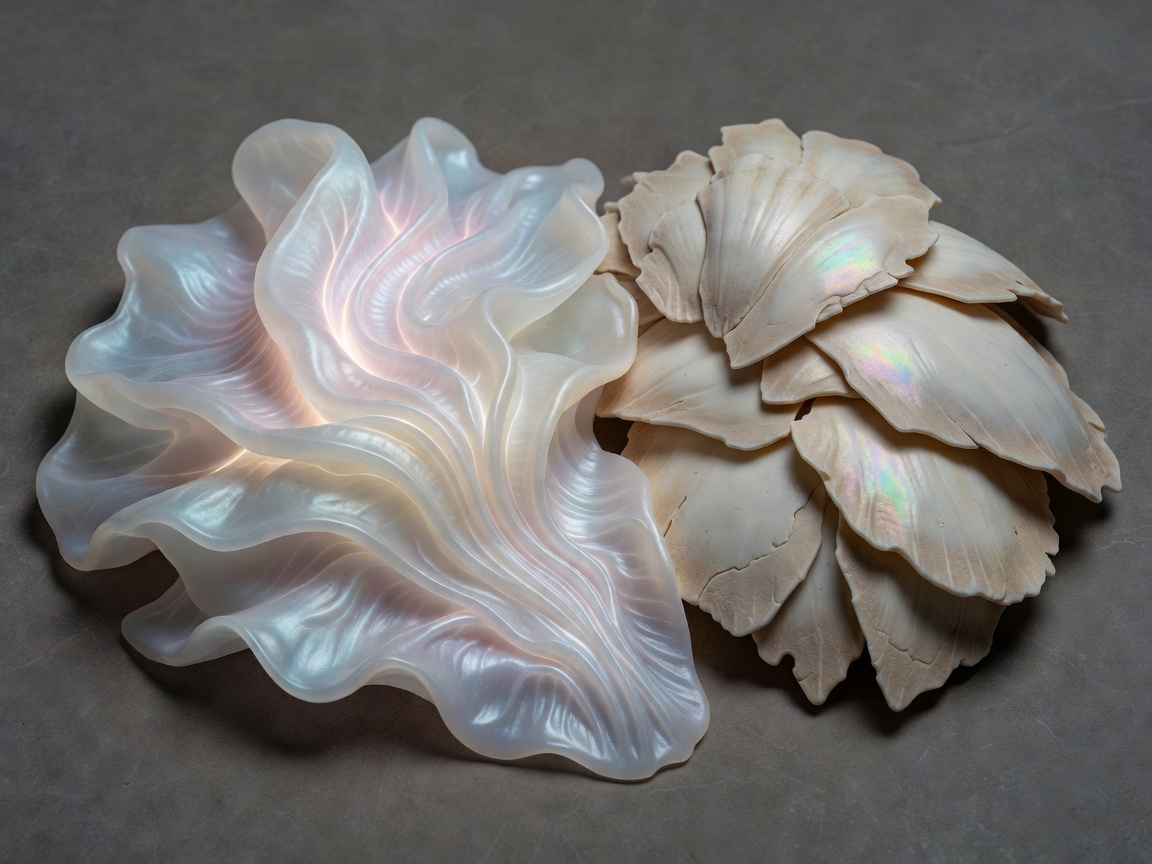
Decide whether the invented form should suggest soft tissue, a dry plate, a polished shell or another material. That choice should affect texture, translucency and sheen together. A thick opaque paint layer may undermine a form intended to look softly translucent; a uniform gloss can erase subtle sculpting.
Test the entire product stack on a spare sample. Some clays, release agents or contaminants can interfere with certain silicone curing systems. Follow the exact manufacturer’s guidance and keep incompatible materials separate. Wear protective equipment where the product instructions require it, and never cast reactive materials directly against a performer’s skin.
When painting, establish broad colour relationships first. Add smaller variations where they reinforce the structure, not simply to fill space. Preserve a visual bridge between the appliance and the performer’s surrounding skin so the feature does not appear to float above the face.
Run a practical performance test
Once a suitable application has been completed, check comfortable facial movement and the actions required by the scene. Use slow, agreed movements first. Watch for lifting, tension, collision and changes to the performer’s expression. A feature that only works when the head remains still may be unsuitable for the intended shot.
Test under the planned lighting and camera distance. Small details can disappear in a wide shot, while strong side light can make a thin attachment seam conspicuous. Adjust the design or filming plan rather than continually adding material. The goal is a functional character effect, not maximum complexity.
Study professional work without copying its scale
The creature designs associated with Wētā Workshop and the collaborative production of The Lord of the Rings demonstrate how sculptural language can connect makeup, costume and performance. Rick Baker’s work on An American Werewolf in London and Stan Winston’s contributions to screen creature effects offer other useful contexts for studying transformation as a production problem.
These references involve specialist teams and techniques far beyond a beginner appliance exercise. Study the visible design decisions, not an assumed shortcut to reproducing them. Credit reference sources and respect copyrighted characters when planning public or commercial work.
Finish by recording what the test actually established: comfortable wear time during the trial, movement limits, product compatibility and any support requirements. A believable fantasy detail is a repeatable construction with known limitations, not merely a successful photograph.
Continue the construction